
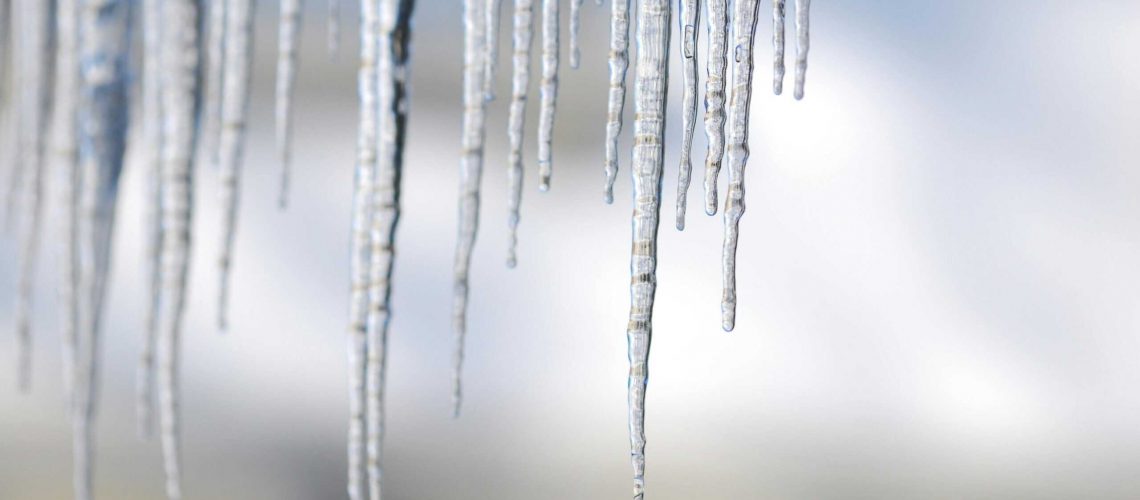
Houston wasn’t supposed to freeze.
That’s what everyone said when the forecast first mentioned sleet. Then ice. Then temperatures that refused to climb. By the second night of the winter storm in Houston, tree limbs snapped under the weight, roads became sheets of glass, and power flickered across the neighborhood.
At sunrise, the damage revealed itself.
The clubhouse roof sagged where ice had pooled overnight. The pool equipment enclosure had burst pipes. The playground fencing bent and twisted after a large oak limb crashed down. Decorative lighting along the walking trails went dark, some poles snapped clean in half. What had once been a selling point for the community, now looked completely useless.
At first, the HOA board believed it was manageable. A few repairs here. Some cleanup there. But as estimates rolled in, reality set in fast.
There was no emergency plan.
No updated reserve study.
No clear understanding of what insurance would cover.
The board treasurer admitted what no one wanted to hear: the HOA simply didn’t have the funds set aside to address this level of damage. Years of tight budgeting and postponed planning had finally caught up with them.
Board meetings grew tense. Homeowners wanted answers the board didn’t have. One resident demanded to know why reserve funds hadn’t accounted for extreme weather. Another asked why vendors hadn’t already been contacted. Someone else brought up the possibility of a special assessment, but it was quickly shot down by everyone.
Weeks passed and nothing got resolved.
Repairs stalled while the board tried to compare contractor bids on their own. Insurance paperwork went back and forth with missing documentation. Amenities remained closed indefinitely, wrapped in caution tape and frustration. Property values began to suffer as potential buyers noticed the visible damage and the lack of progress.
What made it worse was knowing that much of the chaos wasn’t caused by the storm itself, but by what came before it.
A well-supported HOA often has:
- A realistic reserve strategy that accounts for unexpected events
- Established vendor relationships ready to respond in emergencies
- Clear financial reporting and budget planning
- Guidance for volunteer boards navigating high-stress situations
Without those systems in place, even a short winter storm in Houston can create long-lasting consequences.
In this example, the neighborhood recovered, but not without strain. Dues increased. Trust in leadership eroded. Several board members even resigned, burned out by a crisis they were never equipped to manage alone.
How an HOA Management Company Can Help
Volunteer board members step up with good intentions. But the truth is, good intentions can only go so far without professional infrastructure behind them. Winter storms and other dangerous situations prove that strong HOA management is more than just reacting when things go wrong. KRJ can help you prepare ahead of time, and create a plan that ensures everyone is on the same page.